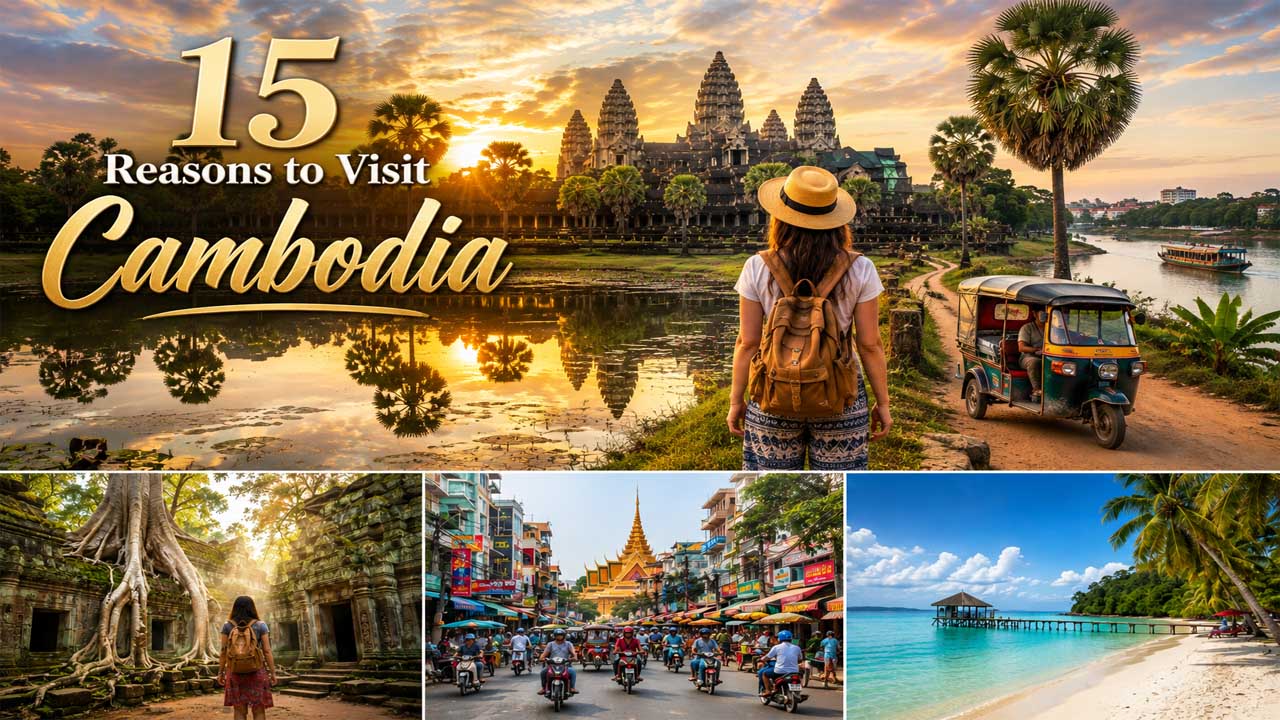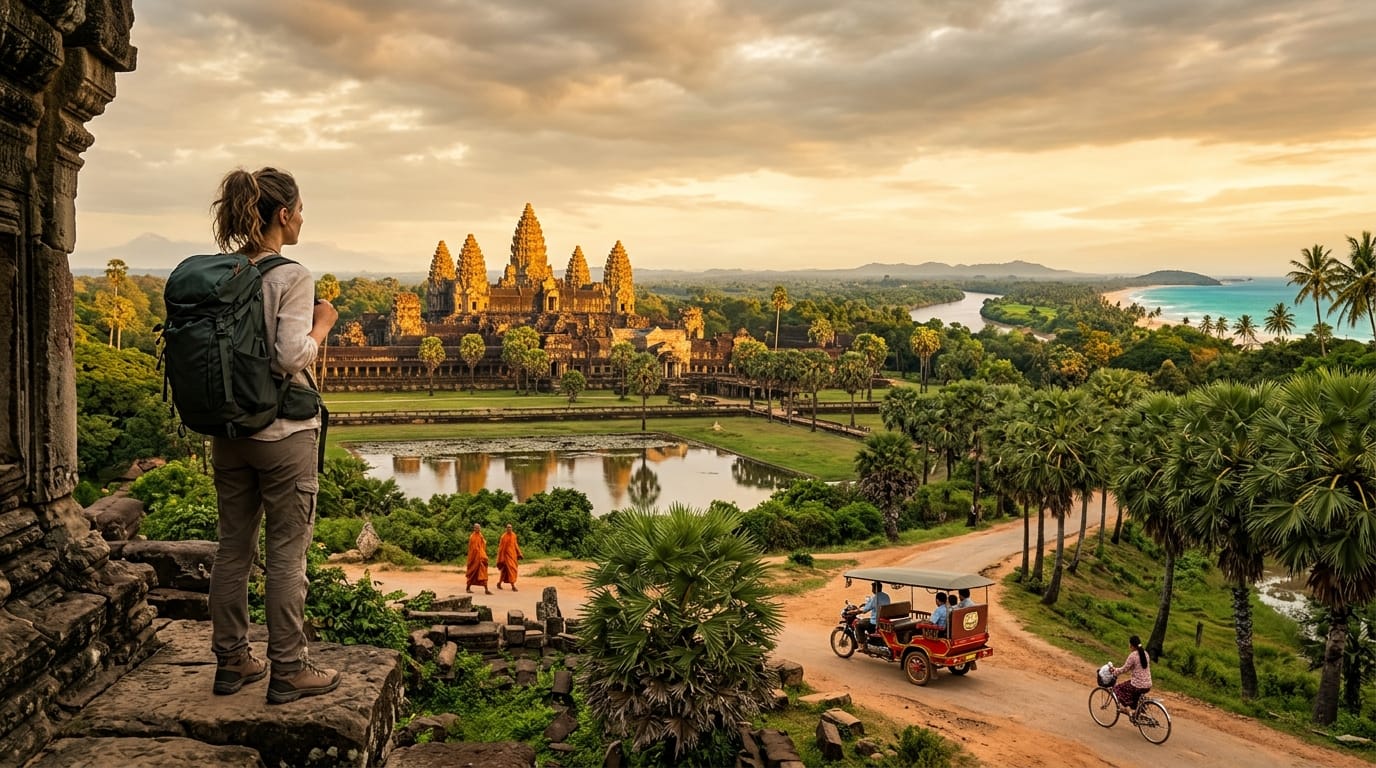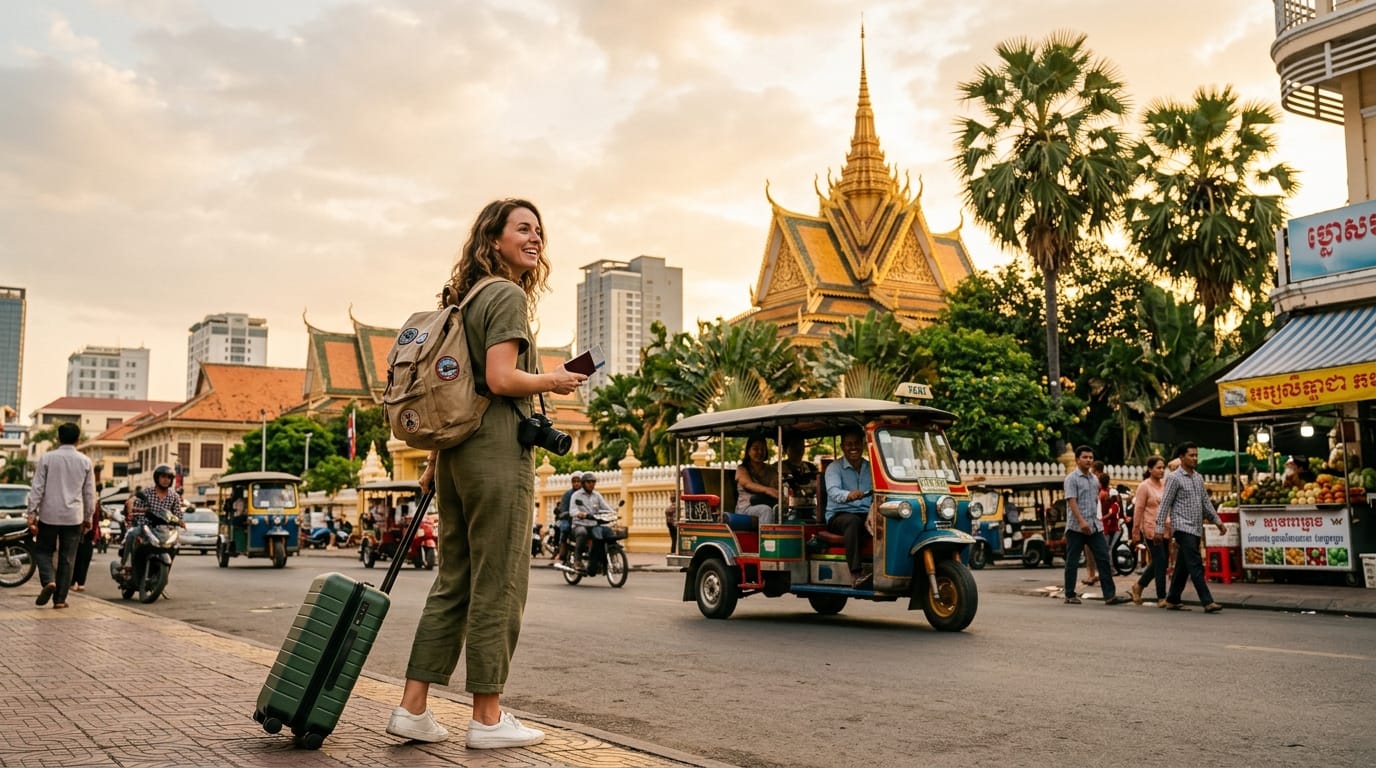


For years, Cambodia has held a legendary reputation in the global backpacking community. It stands out as a destination where history, culture, and paradise coastal escapes meet remarkably low travel costs. Whether you are aiming to watch the sunrise over the spires of Angkor Wat, cruise the lazy rivers of Kampot, or lounge on the white sands of Koh Rong, navigating the “Kingdom of Wonder” on a budget is highly achievable.
However, the myth of the “ultra-cheap” $10-a-day Southeast Asian trip requires a modern reality check. While Cambodia remains wonderfully affordable, keeping your daily costs down takes strategy. Between multi-tiered temple entry fees and a highly digitized economy, smart financial planning is essential.
This comprehensive budget guide breaks down realistic daily costs, critical backpacker tips, and local secrets to maximize your experience without draining your wallet.
The Reality Check: Everyday Travel Costs
Cambodia operates on a unique dual-currency framework. The US Dollar (USD) and the Cambodian Riel (KHR) are used interchangeably across the country. Typically, the exchange rate remains steady around $1 USD to 4,000–4,100 KHR. Large purchases, accommodation, and restaurant bills are generally priced in USD, while Riel is used for small change, street food, and minor transactions.
A realistic daily backpacker budget ranges between $17 and $25 per day for those on a tight shoestring, or $25 to $40 per day for mid-range backpackers who want to mix in private rooms and occasional paid activities.
Accommodation Budget
- Hostel Dorm Beds: $3 to $6 per night in standard mixed dorms. Highly rated social hostels in Siem Reap or Phnom Penh often feature swimming pools and free Wi-Fi at this price point.
- Basic Private Fan Rooms: $8 to $15 per night in local guesthouses.
- Air-Conditioned Private Rooms: $15 to $25 per night, which can easily be split between couples or travel pairs to save money.
Food & Drink Budget

- Street Food / Local Markets: $1 to $3 per plate. Dishes like Bai Sach Chrouk (pork and rice) or a steaming bowl of Khmer noodle soup are incredibly budget-friendly.
- Sit-Down Local Restaurants: $2.50 to $5 per meal for traditional staples like Fish Amok or Beef Lok Lak.
- Western Cafes: $5 to $12 per dish. Stick to local spots to protect your wallet.
- Beverages: Local beers (like Angkor or Cambodia beer) cost $0.50 to $1 during hostel happy hours, while fresh coconuts or fruit smoothies from street stalls run around $1.
Local and Intercity Transportation
- Short Tuk-Tuk Rides: $1 to $2 for short hops within a city layout.
- Daily Scooter Rentals: $5 to $10 per day (ideal for flat, easily navigable regions like Siem Reap or Kampot).
- Intercity Buses & Minivans: $5.50 to $15 to travel long distances, such as moving from Phnom Penh to Siem Reap.
Splurges vs. Savings: Navigating Main Attractions
The biggest potential drain on a Cambodian backpacking budget is the cost of activities. Unlike accommodation and food, entrance fees to major cultural monuments are fixed international prices. To keep your daily average low, you must balance expensive bucket-list sights with free or cheap alternative exploration.
The Big Ticket: Angkor Archaeological Park
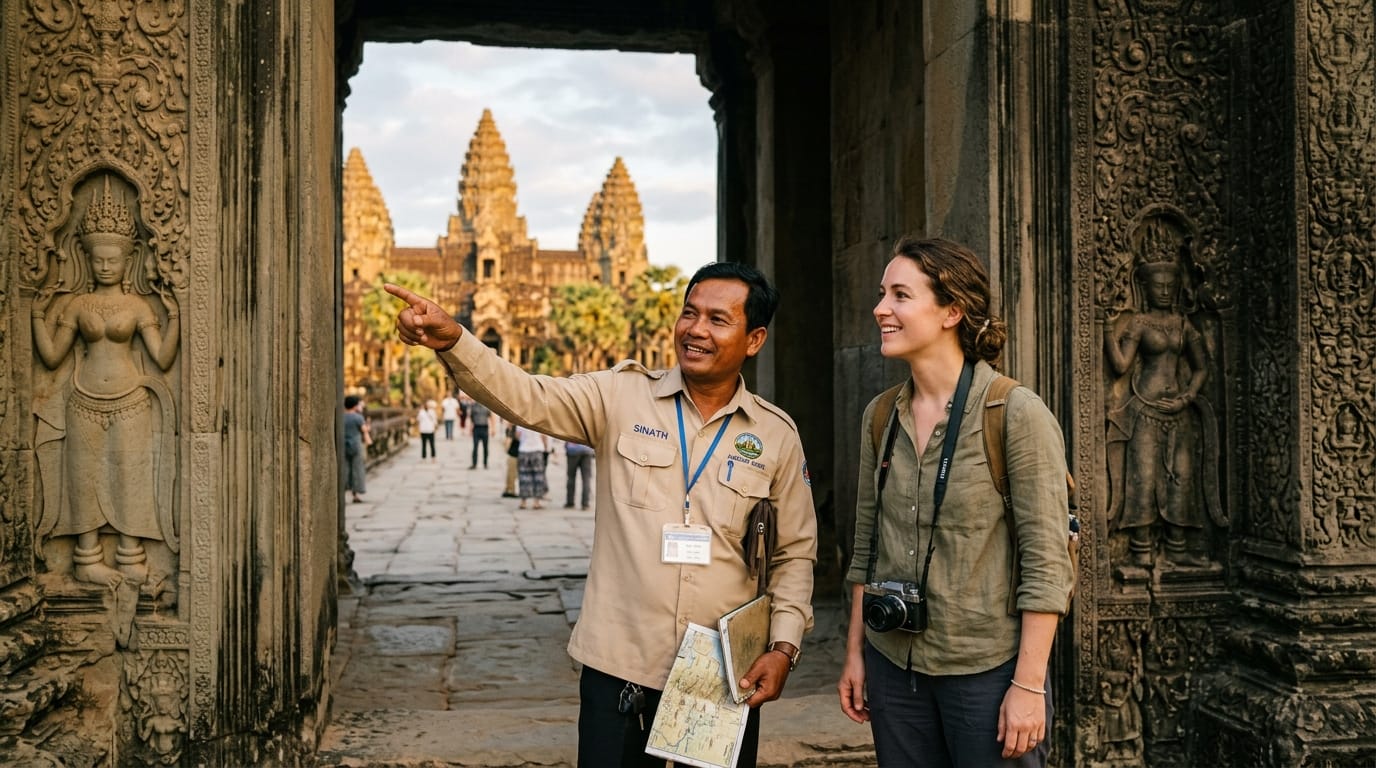
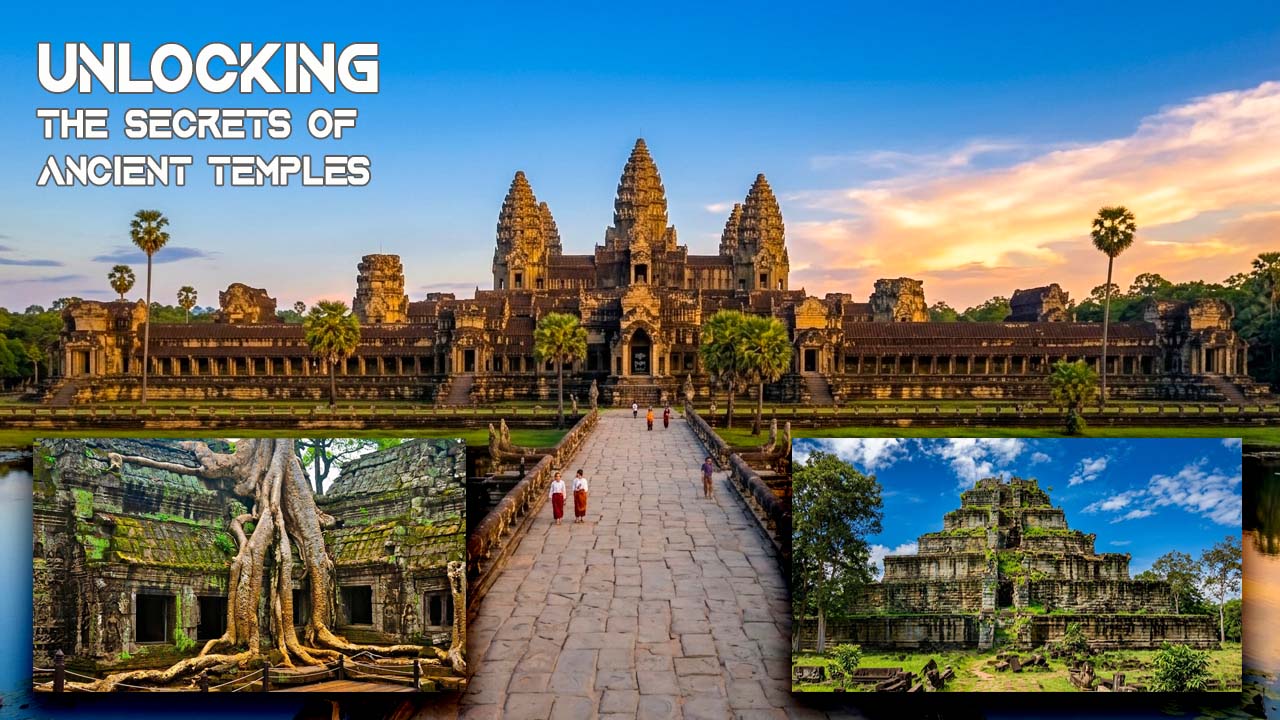
You cannot visit Cambodia without seeing Angkor Wat, but the entrance passes will be your single largest trip expense:
- 1-Day Pass: $37
- 3-Day Pass: $62 (valid over a one-week period)
- 7-Day Pass: $72 (valid over a full month)
The Budget Hack: Buy the 3-day pass. Trying to cram the massive 400-square-kilometer complex into a single 24-hour window leads to temple burnout and high transport stress. Spreading your exploration over three separate days allows you to split tuk-tuk rental fees with fellow travelers and explore at a relaxed pace.
Dark History in Phnom Penh
Understanding Cambodia’s complex modern history is vital. Visiting Tuol Sleng Genocide Museum (S-21) costs $5 for entry, while the Choeung Ek Killing Fields entry is $6 (which includes an excellent, deeply moving audio guide). Skip the private tour guides here; the provided audio headsets offer an immersive, self-paced historical analysis that handles the sensitive context perfectly.
Top 5 Backpacker Survival Tips
1. Download Local Apps Immediately
Do not hail random tuk-tuks off the street corner; you will almost certainly pay a premium. Instead, download PassApp or Grab the moment you purchase a local SIM card. These localized ride-hailing apps use transparent, distance-calculated pricing, saving you from exhausting price negotiations.
2. Guard Your Cash Quality
Cambodian businesses are notoriously strict about the physical condition of US currency. If a bank ATM dispenses a $20 or $50 bill with even a microscopic tear, a small smudge, or significant folds, local vendors and restaurants will completely refuse to accept it. Always inspect your bills at the counter and ask for crisp, clean replacements if necessary.
3. Eat in the Secondary Streets
The golden rule of budget travel applies beautifully in Cambodia: walk two blocks away from any major tourist hub (like Pub Street in Siem Reap or the Riverside promenade in Phnom Penh). The moment you leave the primary commercial strip, the price of a filling dinner or a morning coffee drops by 30% to 50%.
4. Skip Online Booking Platforms for Intercity Transport
While booking platforms offer convenience, they often add hefty service fees to bus, ferry, and minivan tickets. Instead, walk into a local travel agency or ask your hostel front desk to book your overland transport. Local operators often secure better prices, and many includes complimentary pickup from your accommodation.
5. Travel During the Shoulder Season
The peak tourist season runs from November to March when the weather is dry and cool. However, traveling during the shoulder season (May to September) yields massive discounts. Hostel dorm prices plummet, boutique hotels cut their rates by half, and you can explore famous ruins without battling massive tour groups.
Local Secrets for Smart Budgeting
The Bicycle Architecture Tour
Instead of hiring a private tuk-tuk driver for $15 to $20 every single day to explore the Angkor ruins, rent a standard bicycle from Siem Reap’s city center for just $2 to $5 a day. The terrain connecting the primary temples is completely flat and well-shaded by ancient jungle canopies. Cycling the inner paths gives you the freedom to discover hidden, overgrown structures completely devoid of crowds.
Phnom Penh’s Market Food Court Strategy
If you want safe, wildly authentic, and cheap meals in the capital, head directly to the central food courts inside Central Market (Phsar Thmey) or the Russian Market (Phsar Toul Tom Poung). Local stall operators serve up mountains of fresh spring rolls, savory Khmer chive cakes (Ansom Chek), and iced coffees for a fraction of restaurant prices. It is the ultimate spot for high-quality, low-cost dining.
The Kampot River Cruise Shortcut

Many travelers spend significant money booking luxury sunset cruises. In the riverside town of Kampot, you can catch local longtail boats at the public dock for roughly $8 to $12. These basic cruises drift down the river under the starlight, taking you to mangrove forests where you can see swarms of fireflies lighting up the riverbanks for pennies.
The Final Verdict
Cambodia is an ideal destination for budget-focused backpackers. By utilizing local transport apps, prioritizing street food markets, and balancing iconic historical site costs with self-guided bicycle exploration, you can easily live comfortably on less than $30 a day. The true magic of the Kingdom lies in its slow-paced lifestyle—and slowing down is completely free.
Frequently Asked Questions
1. Is it better to use US Dollars (USD) or Cambodian Riel (KHR) while backpacking?
Answer: Both are used interchangeably across the country. Large expenses like hostel bookings, bus tickets, and sit-down meals are generally priced in USD. However, keeping plenty of Cambodian Riel on hand is best for small transactions like buying street food, local market shopping, or paying for short tuk-tuk rides.
2. Are there hidden costs when visiting Angkor Wat?
Answer: Beyond your official entry pass ($37 for 1 day, $62 for 3 days), the main hidden costs are transportation and refreshments. You will need to hire a bicycle or split the cost of a tuk-tuk driver ($15 to $25 per day) to move between the sprawling temple layouts. Additionally, food and drinks inside the archaeological park are significantly more expensive than in Siem Reap town, so packing your own snacks and water saves money.
3. Do I need to tip at local restaurants and street food stalls in Cambodia?
Answer: Tipping is not a traditional part of Cambodian culture, and it is not expected at local markets or street food stalls. However, at Western-style cafes, tourist restaurants, or when using private drivers, leaving a small tip (around 10% or rounding up the bill) is highly appreciated by the hospitality staff and goes a long way.
4. What is the cheapest way to travel long distances between cities?
Answer: Taking local intercity buses or shared minivans is by far the most budget-friendly option, with tickets generally costing between $5.50 and $15 depending on the distance. While private taxis or flights are faster, companies like Giant Ibis or Larryta Express offer comfortable, air-conditioned bus rides connecting Phnom Penh, Siem Reap, Kampot, and Sihanoukville for a fraction of the price.
5. How much cash should I carry daily, and are ATMs widely available?
Answer: ATMs are abundant in major cities like Phnom Penh and Siem Reap, dispensing both USD and KHR. However, they charge foreign card withdrawal fees ($4 to $6 per transaction). To minimize fees, withdraw larger amounts at a time and carry roughly $20 to $30 in physical cash for your daily street expenses, keeping the rest locked securely in your hostel locker.