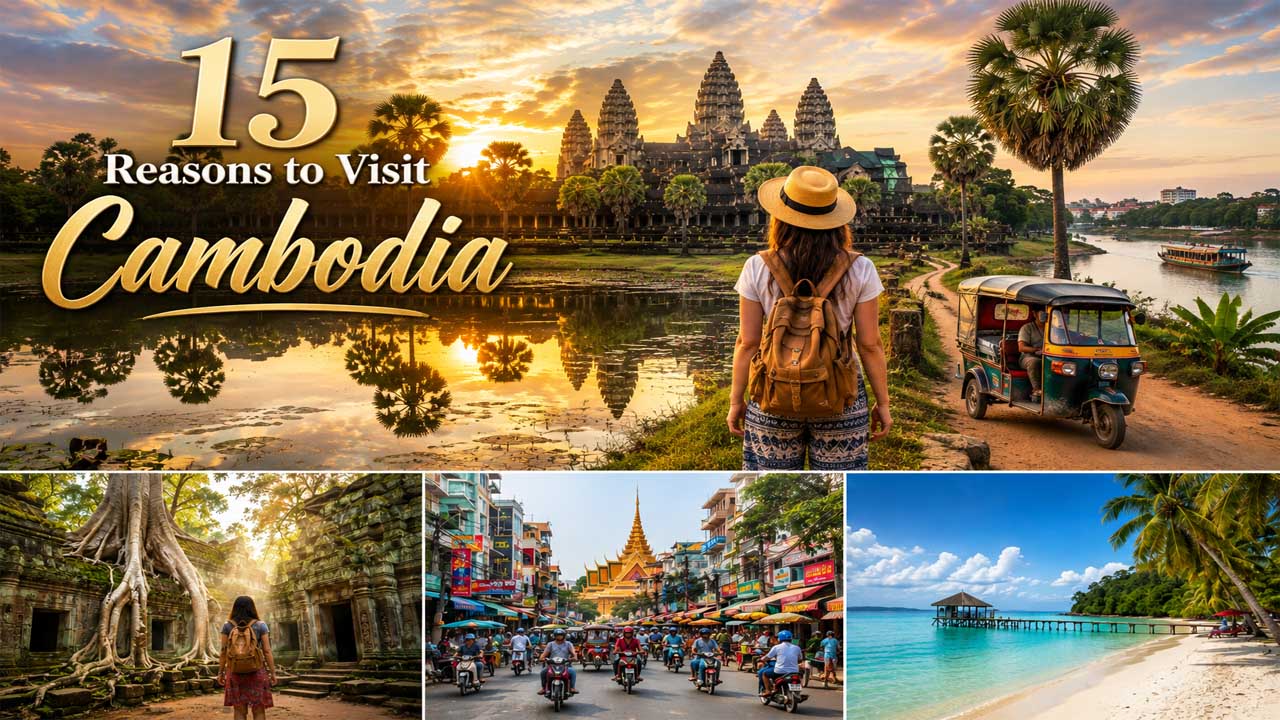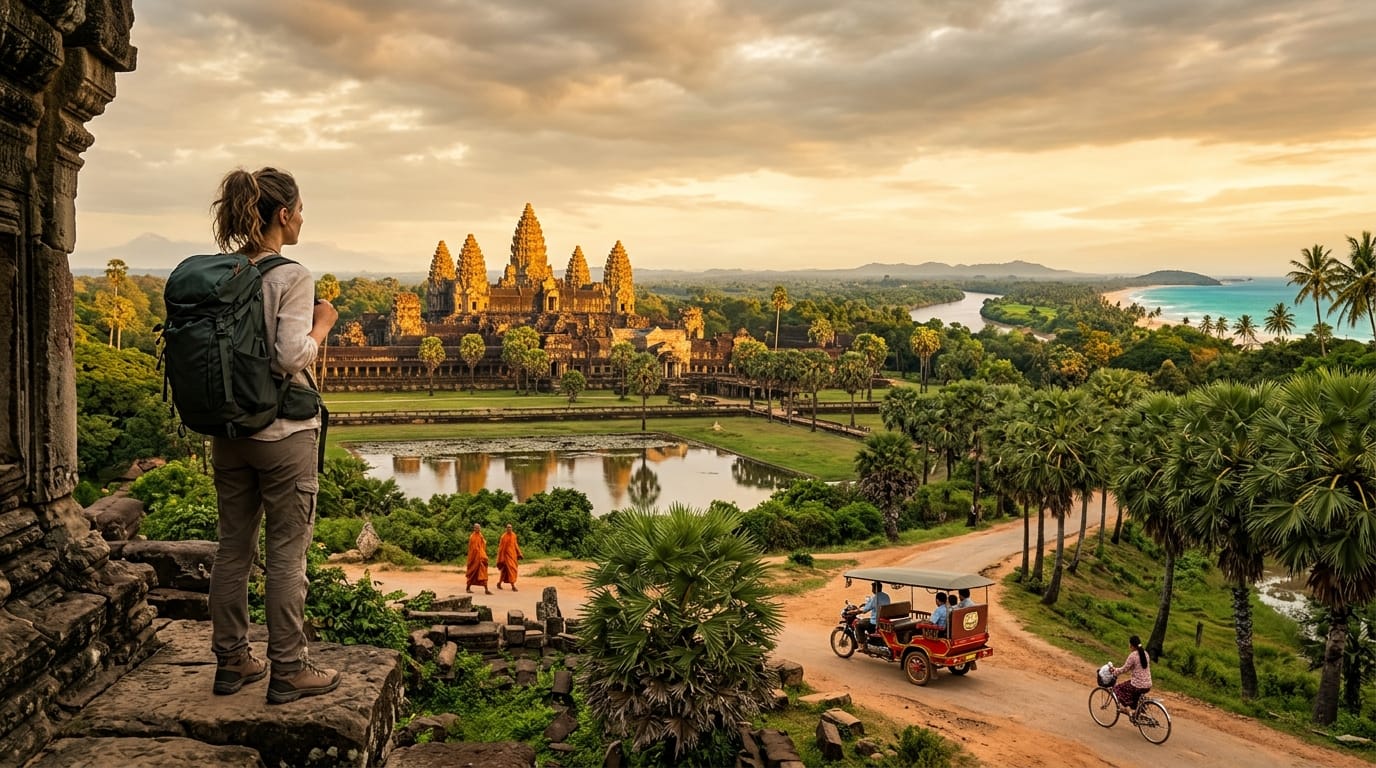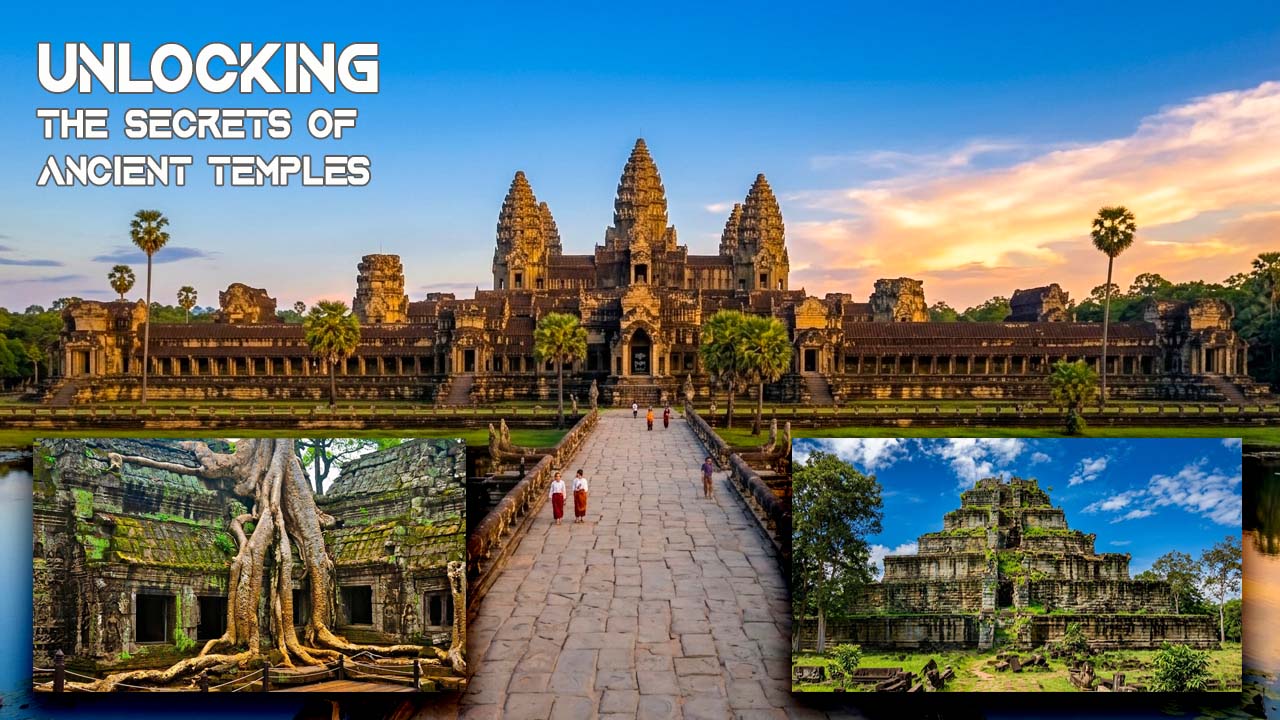

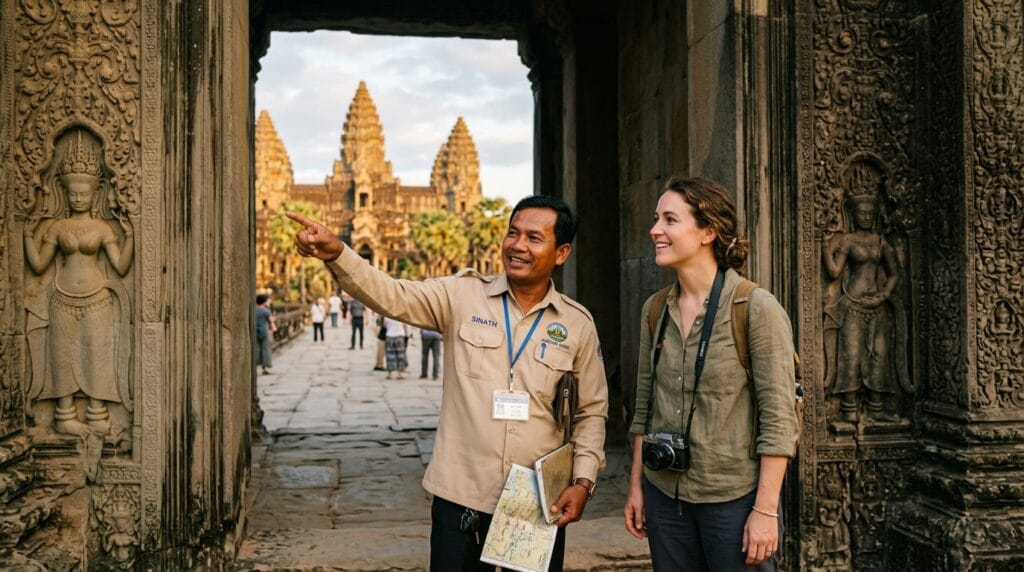
Standing before the towering sandstone spires of Angkor Wat as the morning fog lifts is a memory that stays with you forever. The ancient Khmer Empire left behind one of the most astonishing architectural legacies on Earth, spanning vast jungle complexes, intricate stone carvings, and soaring multi-tiered pyramids scattered across Cambodia.
However, exploring these ancient wonders involves far more than snapping photos. Without proper preparation, the sheer size of the sites, intense tropical heat, and subtle cultural expectations can catch even experienced travelers off guard.
Whether you are planning your first trip to Siem Reap or venturing out toward remote ruins, here are 5 key lessons you need to know before visiting the ancient temples of Cambodia.
1. Respect the Sacred Realm: Dress Codes and Sacred Etiquette
It is easy to view temples like Bayon or Ta Prohm purely as open-air historical museums. But for the people of Cambodia, these monuments are active spiritual sites deeply connected to Theravada Buddhism and ancient Khmer heritage.
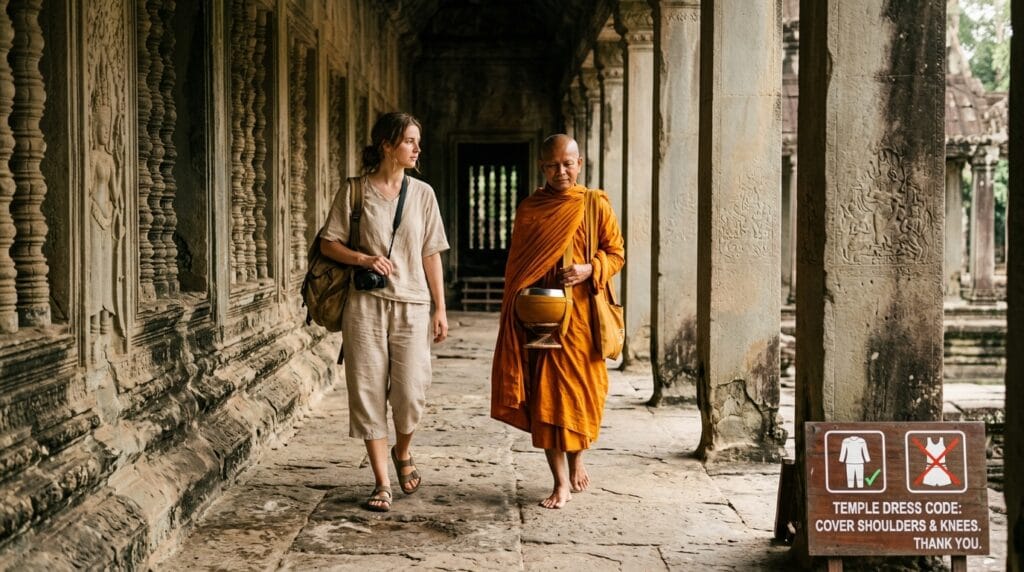
Key Rule: Respecting local customs is mandatory for entering temple grounds.
The Strict Code of Dress
To enter the temple complexes—especially sensitive areas like the upper level of Angkor Wat (Bakan)—visitors must strictly adhere to the traditional dress code:
- Shoulders & Knees Covered: Shirts must cover your shoulders, and trousers or skirts must extend below the knees. Sleeveless tops, tank tops, and short shorts are strictly prohibited.
- Drape Scarves Carefully: Simply throwing a shawl or scarf over open shoulders is often rejected by site guardians at central towers. Wear proper short- or long-sleeved lightweight tops made of cotton or linen to remain comfortable in the heat.
- Hats & Footwear: You will be required to remove hats and footwear before entering active worship halls or inner sanctuaries.
Mindfulness Around Sacred Objects and Monks
- Do Not Touch the Carvings: The oils from human hands accelerate the erosion of delicate 12th-century bas-reliefs and stone apsaras.
- Interacting with Monks: Saffron-robed monks frequent these grounds. Always greet them with a polite Sampeah (a slight bow with palms together). Women must never touch a monk or hand items directly to them.
2. Angkor is an Empire, Not a Single Temple: Plan for Scale and Pace
Many first-time travelers assume “Angkor Wat” is just one standalone building. In reality, the Angkor Archaeological Park covers over 400 square kilometers, encompassing dozens of sprawling temple sites, ancient reservoirs, and walled cities.
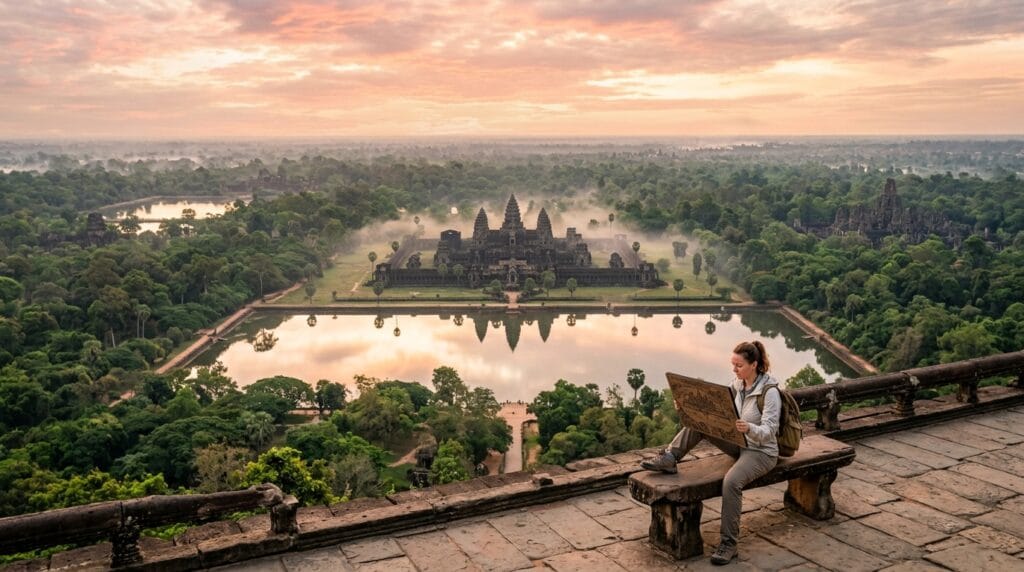
Attempting to rush through the entire park in a single afternoon leads directly to “temple fatigue” and heat exhaustion.
Choosing the Right Angkor Pass
To enter the main park, you must purchase an official Angkor Pass. Tickets can be bought online or at the central ticket office near Siem Reap.
| Ticket Type | Price (USD) | Validity | Best For |
| 1-Day Pass | $37 | Single Calendar Day | Quick stopovers; focuses on the main Angkor Wat & Bayon loop. |
| 3-Day Pass | $62 | Valid over 10 days | The ideal balance; allows for a relaxed pace with rest days. |
| 7-Day Pass | $72 | Valid over 30 days | Deep-dive history lovers and photography enthusiasts. |
Note: A portion of every pass sale ($2) directly supports the Kantha Bopha Children’s Hospital.
Pacing Your Day
Plan your itinerary around two shifts: early morning (5:00 AM – 11:00 AM) and late afternoon (3:00 PM – 6:00 PM). Use the scorching midday hours to rest at your hotel, eat lunch, or visit indoor air-conditioned museums.
3. Storytelling Requires Context: Hire a Licensed Local Guide
Without understanding the mythology and historical context behind the ruins, the temples can begin to look like endless piles of weathered sandstone. Hiring an official, English-speaking Khmer tour guide turns a simple walk through stone ruins into a rich narrative journey.
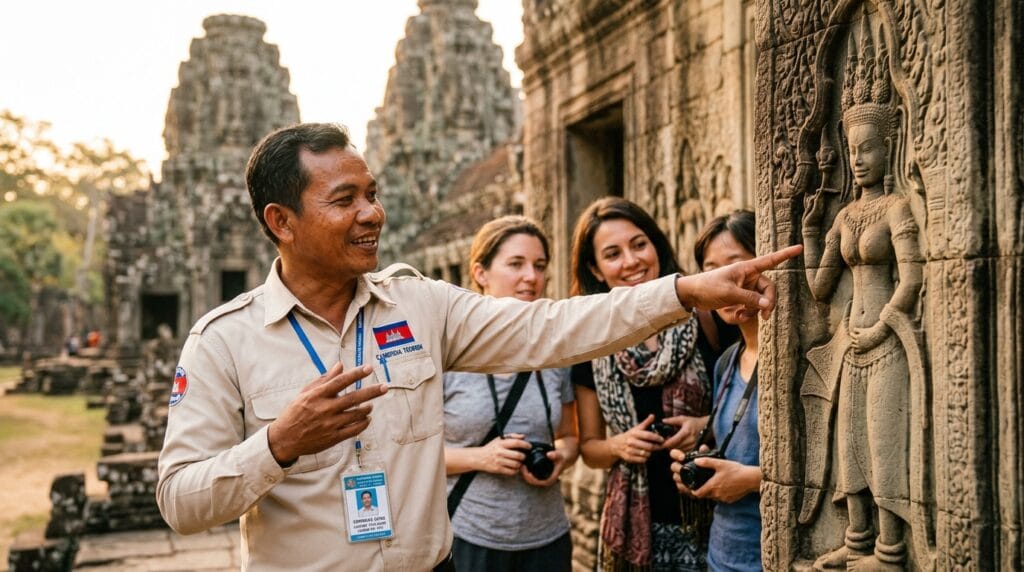
What a Guide Unlocks for Your Trip
- Deciphering Bas-Reliefe Mythology: A guide will walk you through kilometers of wall carvings, explaining scenes like the famous Churning of the Ocean of Milk in Angkor Wat.
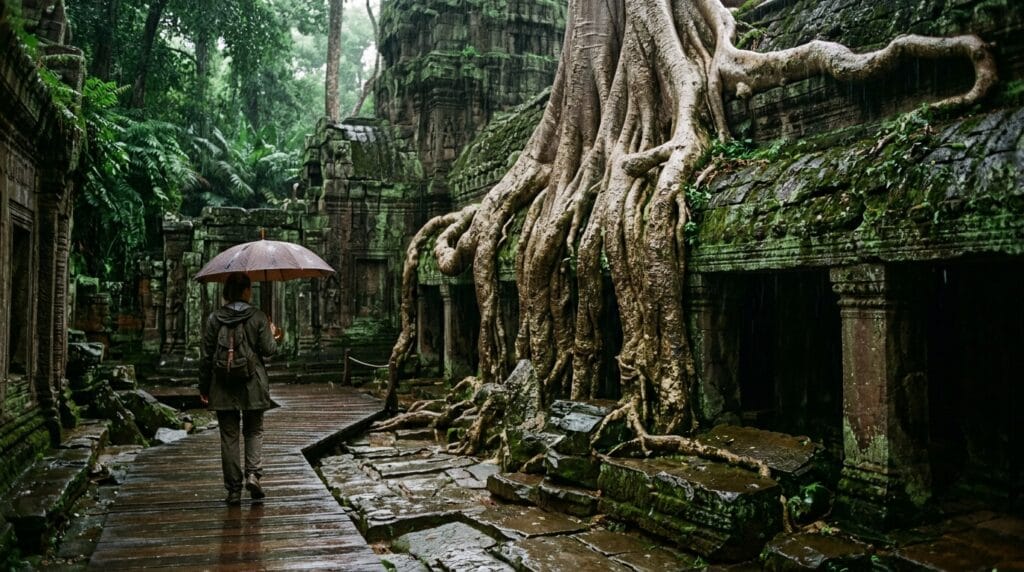
- Navigating Hidden Corridors: Temples like Preah Khan and Ta Prohm are maze-like complexes filled with collapsed archways, hidden courtyards, and quiet nooks easily missed on your own.
- Local Cultural Insights: Local guides offer personal perspectives on how modern Cambodians view their ancient heritage, alongside stories of restoration efforts.
4. Master the Elements: Weather, Timing, and Crowds
Cambodia’s tropical climate plays a major role in shaping your temple experience. Knowing when to visit—and how to navigate daily weather patterns—will make your journey significantly smoother.
Seasonal Overview
- Cool & Dry Season (Nov – Feb): Offers pleasant temperatures around 25°C–30°C. This is peak tourist season, so expect larger crowds at popular spots.
- Hot Season (Mar – May): Temperatures can exceed 38°C. If visiting during these months, carry electrolyte tablets, wear sun protection, and start your tours before dawn.
- Rainy / Green Season (Jun – Oct): Brings afternoon downpours, but also transforms the park into a lush, green landscape. Reflection ponds fill up, moss covers the stone walls, and tourist crowds drop dramatically.
5. Venture Beyond the Main Circuit: Discover Remote Masterpieces
While Angkor Wat, Bayon, and Ta Prohm form the classic “Small Circuit” that most tourists complete, some of Cambodia’s most extraordinary architecture lies further afield.
Unmissable Outlying Temples
- Banteay Srei (“The Jewel of Khmer Art”): Located about 25 km north of the main park, this 10th-century temple is constructed from pink sandstone. Its delicate, miniature relief carvings are among the finest surviving examples of Khmer art.
- Beng Mealea: Positioned roughly 40 km east, Beng Mealea remains largely unrestored. Enormous stone blocks lie scattered among thick roots and jungle foliage, offering an authentic explorer feel.
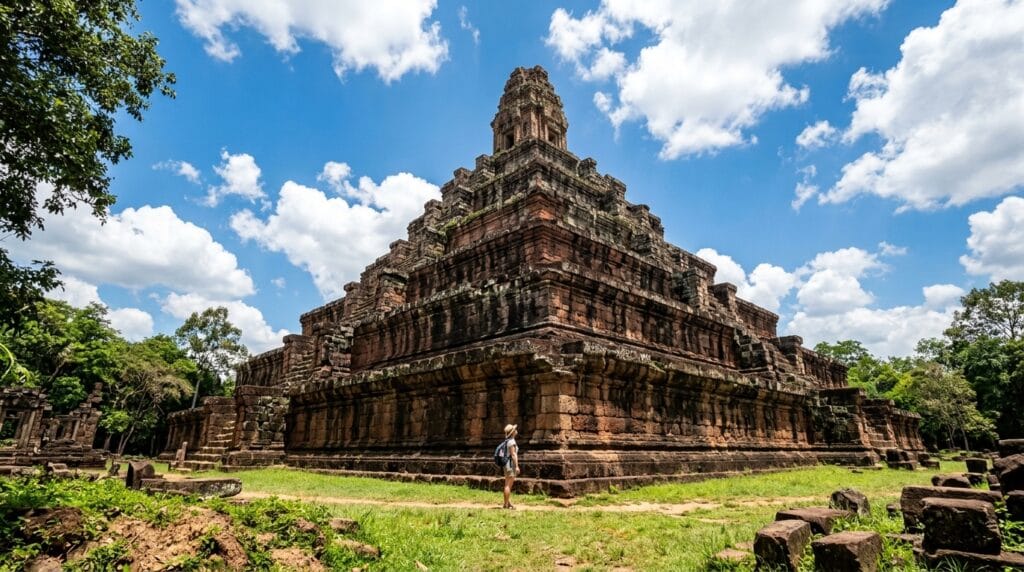
- Koh Ker: A former 10th-century capital situated about two hours from Siem Reap. Its centerpiece, Prasat Prang, is an imposing seven-tiered pyramid rising above the surrounding forest, offering a striking contrast to the flatter temple layouts of Angkor.
Final Thoughts: Travel Responsibly and Thoughtfully
Exploring the ancient temples of Cambodia is a profound travel experience. By dressing respectfully, pacing your daily tours, hiring local experts, and venturing beyond the main tourist hubs, you contribute positively to local preservation efforts while creating unforgettable memories.
Pack lightweight clothing, bring a refillable water bottle, and prepare to step into one of the world’s most captivating ancient civilizations.
If you’d like to visualize your trip, check out this informative Cambodia Travel Tips Guide
covering essential entry requirements, dress codes, and practical advice before heading out to the temples.
This video provides essential advice on visa procedures, local currency, and proper temple attire to ensure your trip goes smoothly.
Frequently Asked Questions (FAQ)
1. What is the official dress code for visiting the ancient temples in Cambodia?
Because the temples of the Angkor Archaeological Park are active spiritual sites for modern Cambodians, visitors are required to dress respectfully. Both men and women must keep their shoulders and knees covered at all times.
- Allowed: Lightweight long pants, knee-length skirts/dresses, and shirts with sleeves (t-shirts or light blouses).
- Not Allowed: Tank tops, sleeveless shirts, short shorts, mini-skirts, or tight revealing clothing.
- Note: At strict checkpoints (like the central tower of Angkor Wat), throwing a scarf over bare shoulders is often turned away—wearing an actual sleeved top is safer.
2. How much does the Angkor Pass cost, and where can I buy it?
The official Angkor Pass is required to access the main archaeological park, with prices structured by duration:
- 1-Day Pass: $37 USD
- 3-Day Pass: $62 USD (valid for any 3 days within a 7-day window)
- 7-Day Pass: $72 USD (valid for any 7 days within a 30-day window)
Children under 12 enter for free (passport proof required). You can purchase tickets online via the official portal (angkorenterprise.gov.kh), through the Angkor Pass mobile app, or in person at the central ticket office on Road 60 in Siem Reap.
3. What is the best time of year to visit the temples of Angkor?
- November to February (Cool & Dry Season): Offers the most comfortable weather with pleasant temperatures, making it peak tourist season with larger crowds.
- March to May (Hot Season): Brings dry conditions, but temperatures often rise above 38°C (100°F).
- June to October (Rainy / Green Season): Features periodic tropical downpours, but rewards travelers with lush greenery, filled water moats, vibrant moss-covered stone, and far fewer crowds.
4. Are all temples in Cambodia covered by the standard Angkor Pass?
The standard Angkor Pass covers over 50 temples within the main park—including Angkor Wat, Bayon, Ta Prohm, Banteay Srei, and Beng Mealea. However, a few outlying historical sites require separate entry tickets:
- Phnom Kulen: ~$20 USD ticket
- Koh Ker: ~$15 USD ticket
5. Do I need to hire a local guide, or can I explore the temples on my own?
While you are free to explore the temples independently by tuk-tuk, hiring an official, licensed local guide is highly recommended. A guide brings the ancient ruins to life by explaining the intricate Hindu and Buddhist mythologies behind the bas-relief carvings, guiding you through maze-like temple layouts, and sharing historical context about the ancient Khmer Empire that you would miss on your own.