

Angkor Wat is one of the most iconic historical sites in the world and the main highlight of any trip to Cambodia. As part of the Angkor Archaeological Park in Siem Reap, it attracts millions of visitors each year. Choosing the best time to visit Angkor Wat can make a big difference to your experience, especially when it comes to weather, crowd levels, and comfort.
This guide breaks down the best months, seasons, and times of day to help you plan the perfect visit.
Understanding Angkor Wat’s Climate
Angkor Wat follows Cambodia’s tropical climate, which means warm temperatures year-round, with clear dry and rainy seasons. While the temples are open all year, some months are far more comfortable than others.
Temperatures typically range from 25°C to 35°C, and most temple exploration involves walking outdoors, often with limited shade.
Dry Season (November to March): Best Overall Time to Visit
The dry season is widely considered the best time to visit Angkor Wat.
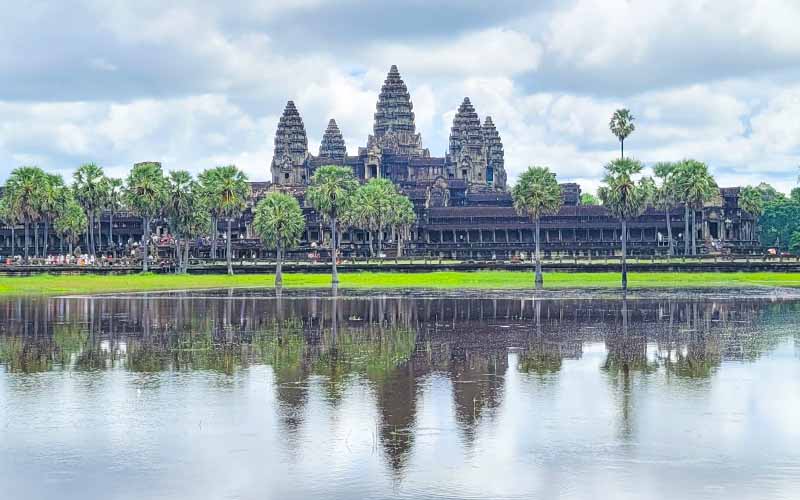
Weather Conditions
- Cooler temperatures, especially in the mornings
- Low rainfall
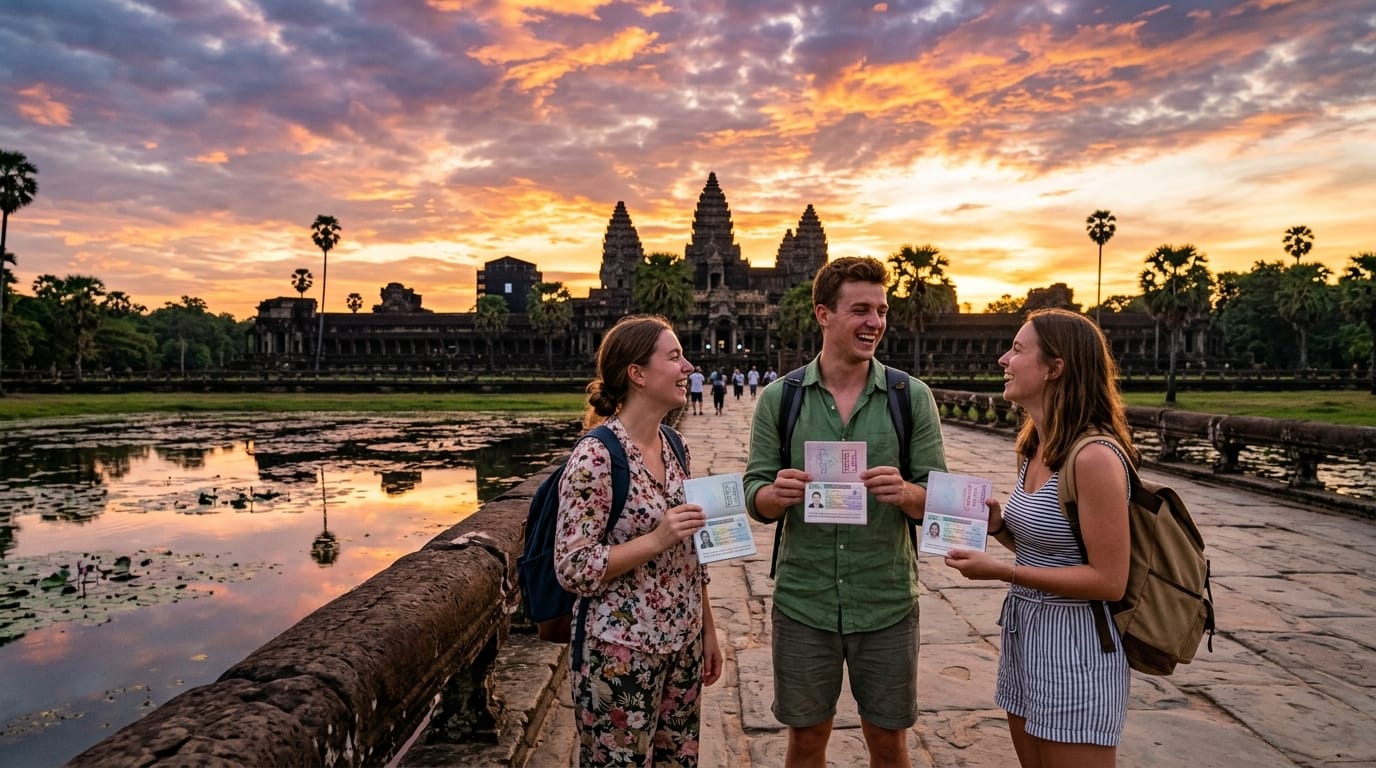
- Clear skies for photography
December and January are the most comfortable months, with cooler air and lower humidity.
Crowd Levels
This is also peak tourist season, so popular temples—especially Angkor Wat at sunrise—can be crowded. Expect more visitors during December holidays and international school breaks.
Why Visit During This Time
- Best weather for long temple walks
- Ideal for first-time visitors
- Great for photography and guided tours
If you don’t mind crowds, this season offers the most comfortable overall experience.
Hot Season (April to May): Fewer Tourists, More Heat
The hot season is the most challenging time weather-wise but still appealing to some travelers.
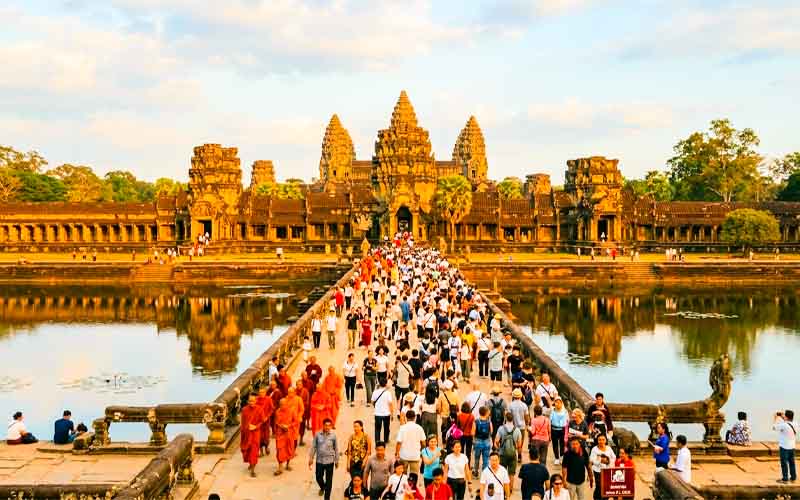
Weather Conditions
- Very high temperatures, often above 35°C
- Dry but intense heat during midday
Temple visits are best done early in the morning or late afternoon.
Crowd Levels
Crowds are noticeably smaller, especially in May. Many travelers avoid this season due to the heat.
Why Visit During This Time
- Fewer tourists at major temples
- Easier to get guides and tuk-tuks
- Better hotel deals
This season suits travelers who are heat-tolerant and prefer quieter experiences.
Rainy Season (June to October): Green Landscapes and Fewer Crowds
The rainy season is often misunderstood. While it does rain, it rarely affects the entire day.
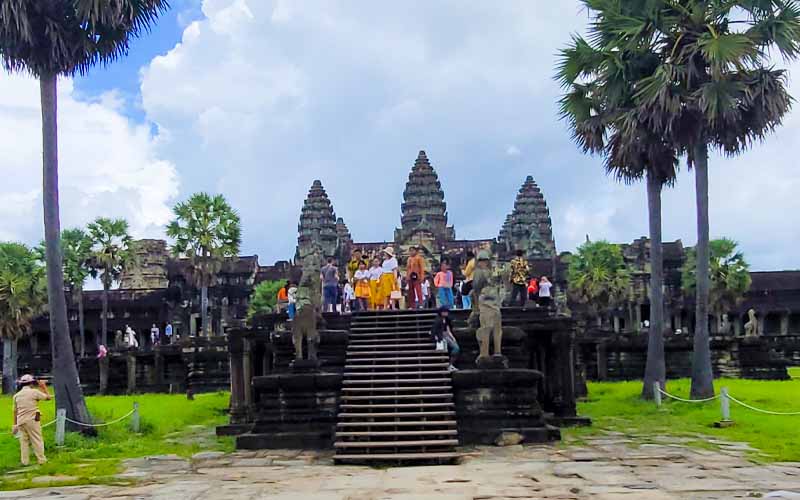
Weather Conditions
- Short, heavy rain showers (usually afternoon)
- High humidity
- Lush green surroundings
Temples and moats look especially beautiful during this time.
Crowd Levels
This is the low season, meaning fewer tourists and less congestion at major sites.
Why Visit During This Time
- Dramatic scenery and reflections
- Fewer crowds at Angkor Wat
- Lower accommodation prices
September and October are particularly scenic, though some paths may be muddy.
Best Month to Visit Angkor Wat (Quick Summary)
- Best overall: December – January
- Best balance of weather & crowds: November – February
- Best for fewer tourists: May, September
- Best for photography & greenery: August – October
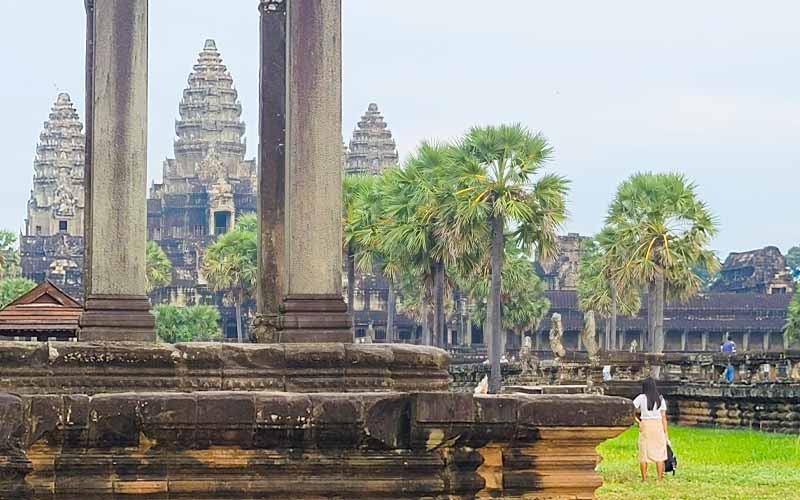
Best Time of Day to Visit Angkor Wat
Sunrise (5:00–7:00 AM)
- Iconic experience and beautiful light
- Cooler temperatures
- Very crowded during peak season
Morning (7:30–10:30 AM)
- Excellent lighting inside the temple
- Still manageable temperatures
Midday (11:00 AM–2:00 PM)
- Very hot and tiring
- Fewer visitors
- Not recommended unless necessary
Late Afternoon & Sunset
- Cooler temperatures
- Softer lighting
- Less crowded than sunrise
Best Days of the Week to Visit
- Weekdays are generally less crowded than weekends
- Cambodian public holidays can increase local visitors
- Early weekday mornings are the quietest times
Special Travel Advice for Visiting Angkor Wat
Dress Appropriately
Angkor Wat is a religious site. Visitors must wear:
- Covered shoulders
- Pants or skirts below the knees
Stay Hydrated
Bring water, sunscreen, and a hat. Heat exhaustion is common among unprepared visitors.
Choose the Right Ticket
- 1-day pass for short visits
- 3-day pass for relaxed exploration
- 7-day pass for photographers and history lovers
Hire a Guide
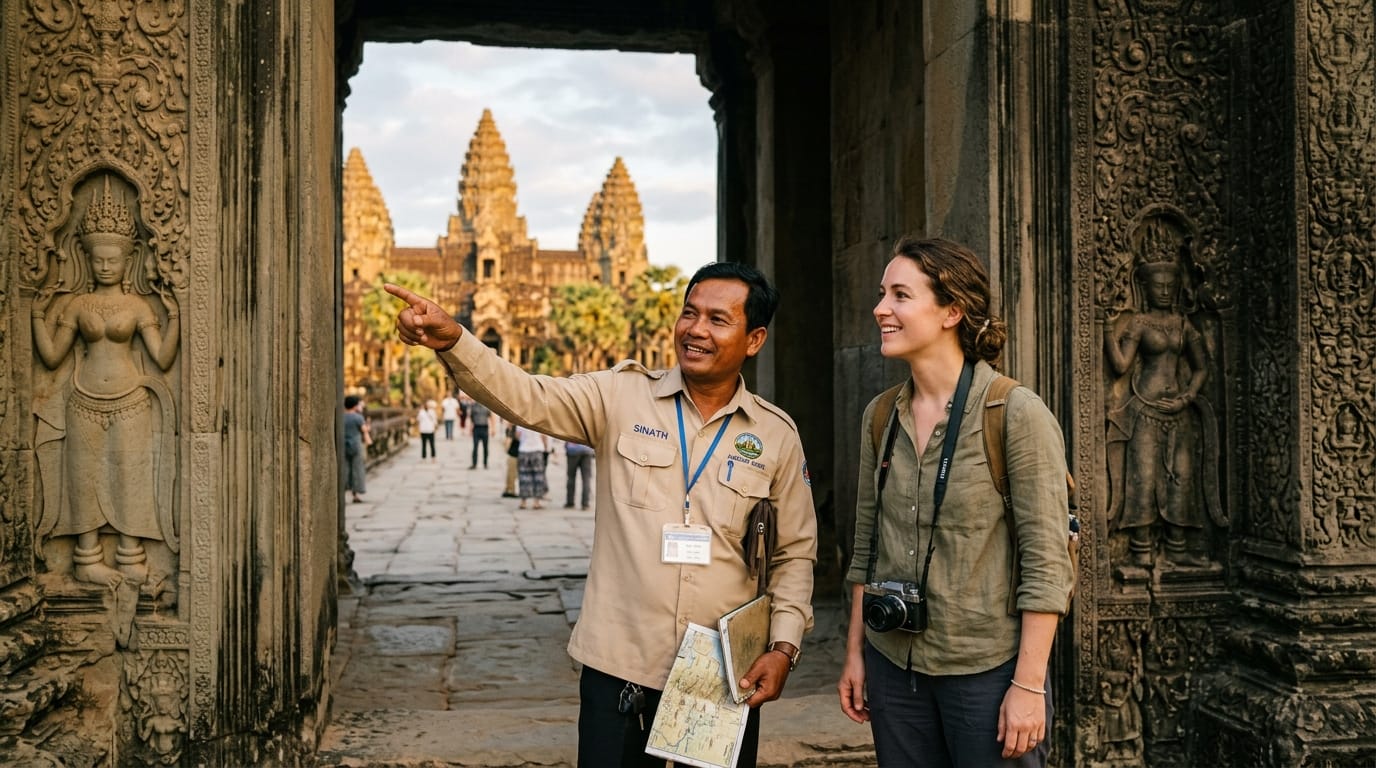
A knowledgeable guide adds historical and cultural depth and helps avoid inefficient routes.
Is There a “Worst” Time to Visit Angkor Wat?
There is no truly bad time to visit Angkor Wat, but midday during the hot season can be uncomfortable. If possible, avoid peak sun hours between April and May unless you plan short visits.
Final Thoughts
The best time to visit Angkor Wat depends on your priorities. If comfort matters most, visit during the dry season. If you prefer fewer crowds and don’t mind occasional rain, the rainy season offers a unique and peaceful experience.
With proper planning, Angkor Wat is rewarding in any season. Understanding weather patterns and crowd levels will help you enjoy one of the world’s greatest historical wonders at its best.
Frequently Asked Questions (FAQ)
1. Do I need to bring a physical photo for my Angkor Pass?
As of 2026, you do not need to bring a printed photo if you are buying your ticket in person at the main Ticket Center. The staff will take a digital photo of you at the counter for free. However, if you are purchasing your pass online through the official Angkor Enterprise portal, you will need to upload a clear, passport-style digital photo from your phone or computer.
2. Is the dress code strictly enforced even in the extreme heat?
Yes. Angkor Wat is an active religious site, and the “Heritage Police” are very strict at the entrances of major temples (especially the upper level of Angkor Wat and the Banyan). Shoulders and knees must be covered. A scarf wrapped around the shoulders is sometimes accepted, but it is much safer to wear a T-shirt and lightweight linen pants or a long skirt to avoid being turned away.
3. Can I use the same ticket for sunrise and sunset?
Absolutely. Your Angkor Pass is valid for the full calendar day (or days). A popular “Sakmai” tip is to buy your ticket after 4:30 PM the day before you intend to use it. This allows you to enter the park to watch the sunset for free that evening, and your official “1-day” usage won’t start until the following morning at sunrise.
4. Are there ATMs or can I pay with a card inside the temple park?
While the main Ticket Center accepts all major credit cards (Visa, Mastercard, etc.) and Bakong (KHQR), most small vendors selling water, coconuts, and meals inside the park still prefer cash. It is highly recommended to carry small denominations of US Dollars or Cambodian Riel for your daily expenses once you leave the main gate.
5. How many days do I actually need to see the temples?
While a 1-day pass covers the “Big Three” (Angkor Wat, Bayon, and Ta Prohm), it is often very rushed and exhausting in the heat. We recommend the 3-day pass. This allows you to explore at a relaxed pace, spend one morning dedicated purely to photography, and visit further “hidden gems” like Banteay Srei or the Roluos Group without “temple burnout.”