
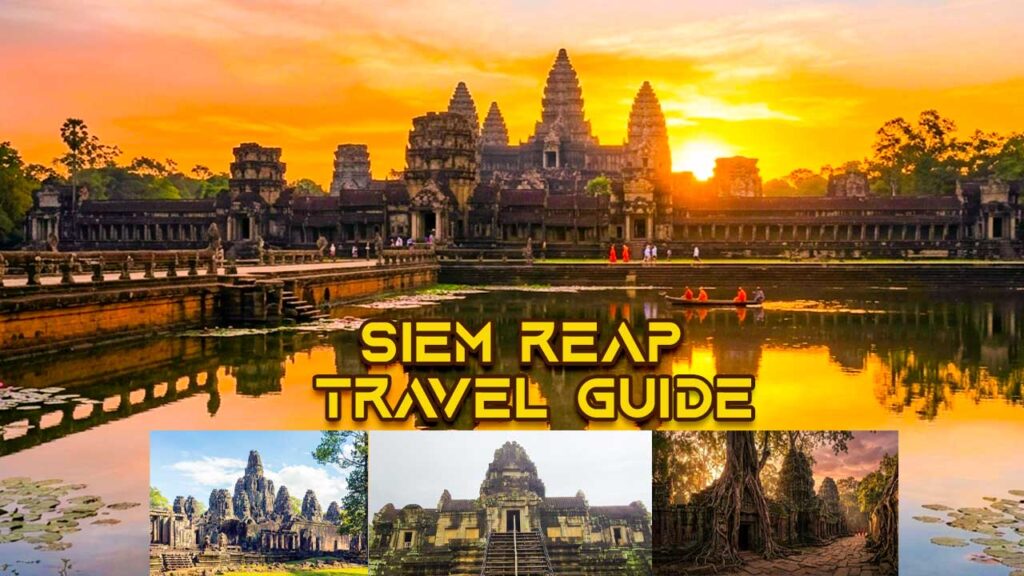
Siem Reap is one of Cambodia’s most visited destinations and for good reason. Known worldwide as the gateway to Angkor Wat, this charming town offers much more than ancient temples. From vibrant nightlife and cafés to peaceful countryside and a growing expat community, Siem Reap blends history, culture, and modern comfort.
Whether you’re visiting for a few days, working remotely, or considering a longer stay, Siem Reap is a destination that suits many travel styles — budget backpackers, luxury travelers, families, and digital nomads alike.
How to Get to Siem Reap
By Air
Siem Reap–Angkor International Airport (SAI) serves both international and domestic flights. Direct flights are available from major cities in Southeast Asia such as Bangkok, Singapore, Kuala Lumpur, and Ho Chi Minh City.
From the airport, it takes about 45–60 minutes to reach the city center by taxi or airport shuttle.
By Bus or Taxi
If you’re traveling from Phnom Penh:
- Bus: 5–6 hours (comfortable and affordable)
- Private taxi: 4.5–5 hours (more flexible, higher cost)
Many travelers prefer buses due to comfort and cost efficiency.
Best Time to Visit Siem Reap
The best time to visit Siem Reap is during the dry season, from November to March.
Seasonal Overview:
- Dry season (Nov–Mar): Cooler weather, best for temple visits
- Hot season (Apr–May): Very hot, fewer tourists
- Rainy season (Jun–Oct): Lush landscapes, fewer crowds, occasional rain
For photographers and temple lovers, early mornings during the dry season are ideal.
Top Things to Do in Siem Reap
1. Explore Angkor Wat & Angkor Temples
Angkor Wat is the world’s largest religious monument and the highlight of any trip to Siem Reap. Beyond Angkor Wat, don’t miss:
- Bayon Temple (famous smiling faces)
- Ta Prohm (tree-covered ruins)
- Angkor Thom (ancient city complex)
A 1-day, 3-day, or 7-day temple pass is available depending on your schedule.
2. Watch the Sunrise or Sunset at the Temples
Sunrise at Angkor Wat is iconic, while sunset at Phnom Bakheng or Pre Rup offers stunning views. Arrive early to avoid crowds.
3. Visit Pub Street & Night Markets
Pub Street is the heart of Siem Reap’s nightlife, filled with bars, restaurants, and live music. Nearby night markets are perfect for:
- Local street food
- Souvenirs and handicrafts
- Casual evening walks
4. Discover Local Culture & Museums
Take time to explore:
- Angkor National Museum
- Cambodian Cultural Village
- Artisans Angkor
These places offer deeper insight into Khmer history and craftsmanship.
5. Experience the Countryside
Beyond the city center, Siem Reap’s countryside offers:
- Rice fields and lotus farms
- Floating villages on Tonle Sap Lake
- Quiet cycling routes
This side of Siem Reap feels peaceful and authentic.
Where to Stay in Siem Reap
Budget
- Guesthouses and hostels near Old Market
- Affordable and social atmosphere
Mid-Range
- Boutique hotels with pools
- Great value and comfort
Luxury
- High-end resorts with spa services
- Riverside and countryside retreats
For longer stays, serviced apartments and condos are also available and popular with expats.
Food & Cafés in Siem Reap
Siem Reap has one of the best food scenes in Cambodia.
Local Food
- Amok (fish curry)
- Lok lak (stir-fried beef)
- Khmer BBQ and street food
International & Café Scene
- Western cafés and bakeries
- Vegan and vegetarian options
- Strong digital-nomad café culture
Many cafés offer fast Wi-Fi and comfortable workspaces.
Travel Tips for Siem Reap
- Currency: USD widely used; small bills preferred
- Transport: Tuk-tuks are the main mode of transport
- Dress code: Modest clothing for temples
- Internet: Reliable Wi-Fi in most hotels and cafés
- Safety: Generally very safe for tourists and expats
Hiring a licensed tuk-tuk driver for temple tours is recommended for convenience and local insight.
Is Siem Reap Good for Expats & Long-Term Stay?
Yes. Siem Reap has a growing expat community, affordable living costs, and a relaxed lifestyle. Many expats choose Siem Reap for its slower pace compared to Phnom Penh, while still enjoying modern conveniences.
Final Thoughts
Siem Reap is more than just Angkor Wat. It’s a city that balances history, culture, comfort, and community. Whether you’re visiting for a short holiday or considering a longer stay, Siem Reap offers a unique and welcoming experience unlike anywhere else in Cambodia.
Frequently Asked Questions (FAQ)
1. How many days do I need in Siem Reap?
A minimum of 3 days is recommended to explore Angkor temples and the city. For a relaxed pace, 4–5 days is ideal.
2. Is Siem Reap expensive?
Siem Reap is affordable compared to many Southeast Asian destinations. Budget travelers and luxury travelers can both find suitable options.
3. Is Siem Reap safe for solo travelers?
Yes. Siem Reap is generally safe, including for solo travelers. Standard travel precautions are sufficient.
4. Can I live in Siem Reap long-term as an expat?
Yes. Many expats live long-term in Siem Reap using Cambodian visa extensions. The city offers a relaxed lifestyle and lower costs.
5. Do I need a guide to visit Angkor Wat?
A guide is not required, but hiring one can greatly enhance your understanding of the temples’ history and significance.