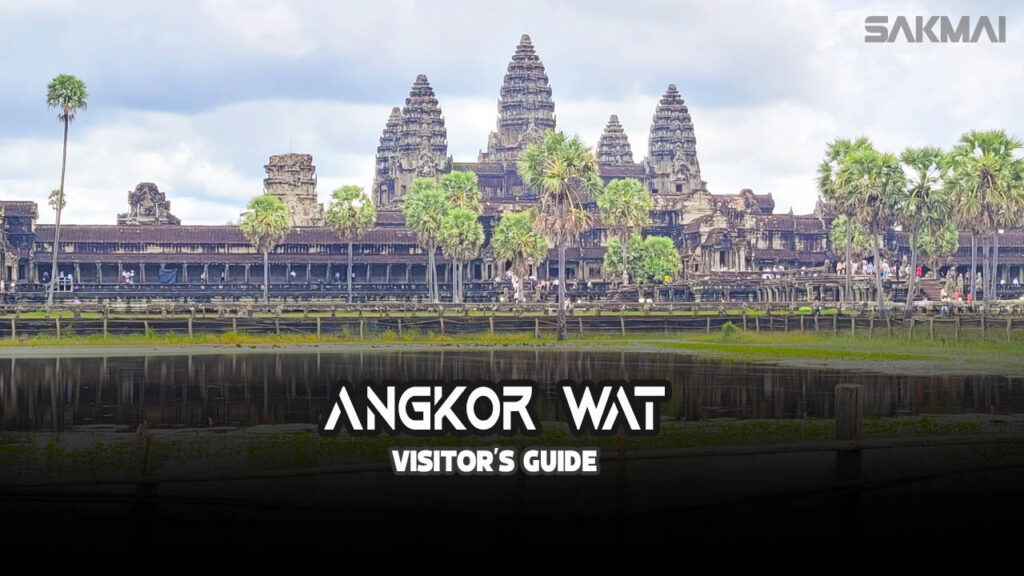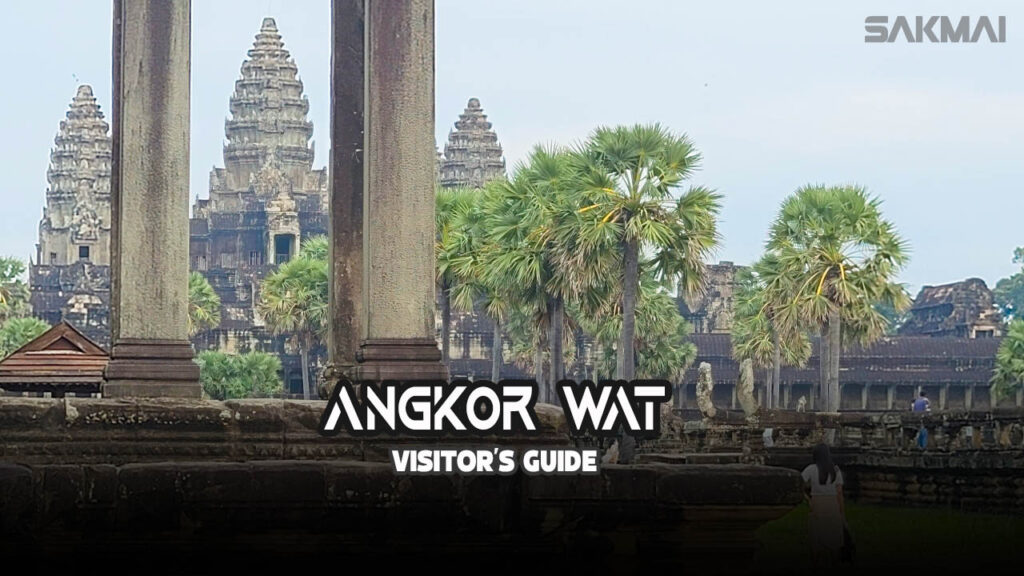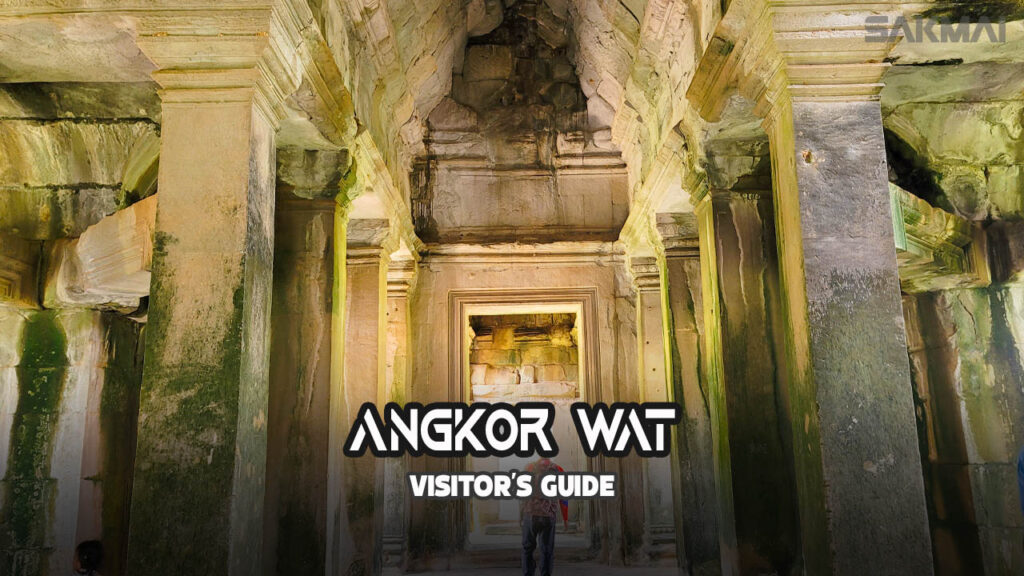

For many travelers, Angkor Wat is the ultimate bucket-list destination. But in 2026, as travel costs rise and “over-tourism” becomes a frequent headline, first-time visitors often ask: Is the Angkor Wat tour actually worth it? At Sakmai.com, we believe in transparency. This guide cuts through the Instagram filters to give you a “brutally honest” look at the costs, the chaos, and the genuine magic of the Khmer Empire’s crown jewel.
Angkor Wat: The Honest 2026 Visitor’s Guide
The Real Cost: What’s the Damage?
In 2026, the mandatory Angkor Pass remains the biggest upfront expense. Unlike many global sites, there are no “resident discounts” for foreigners; the price is fixed by Angkor Enterprise.
| Ticket Type | Price (USD) | Validity |
| 1-Day Pass | $37 | Good for a “Greatest Hits” run. |
| 3-Day Pass | $62 | Valid for any 3 days within a 10-day window. |
| 7-Day Pass | $72 | Valid for any 7 days within a 30-day window. |
Hidden Costs:
- Transportation: A tuk-tuk for a “Small Circuit” day costs $15–$25. A private AC car is $35–$50.
- Guides: A licensed English-speaking guide costs $30–$50 per day.
- Food: Expect to pay “temple prices” ($8–$12 for lunch) if you eat near the ruins.
The Sunrise Reality Check
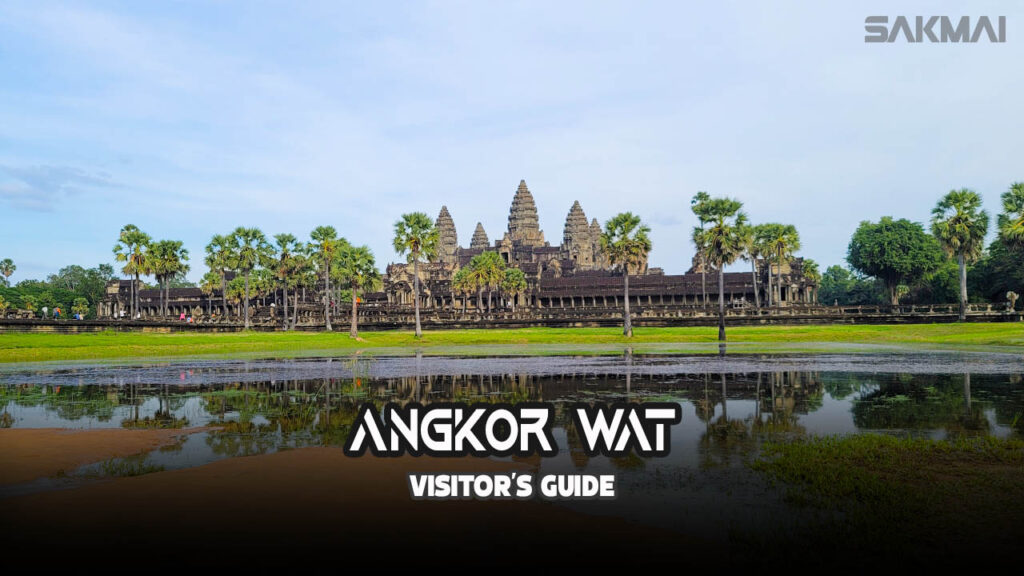
The “Sunrise over Angkor Wat” is the most iconic photo in Cambodia. But here is what the brochures don’t show you:
- The 4:30 AM Wake-up: To get a front-row spot at the reflection pond, you must leave your hotel while it’s pitch black.
- The Crowd: You will be standing shoulder-to-shoulder with 2,000+ other people. In 2026, the “sea of selfie sticks” is real.
- The Weather: If it’s cloudy, the “purple sky” doesn’t happen. You get a gray silhouette instead.
Is it worth it? Yes—if you go with the mindset that the energy of the crowd is part of the experience. If you want peace, skip the sunrise and enter the temple at 12:30 PM when everyone else has gone back to the hotel for lunch.
The “Must-See” Trinity
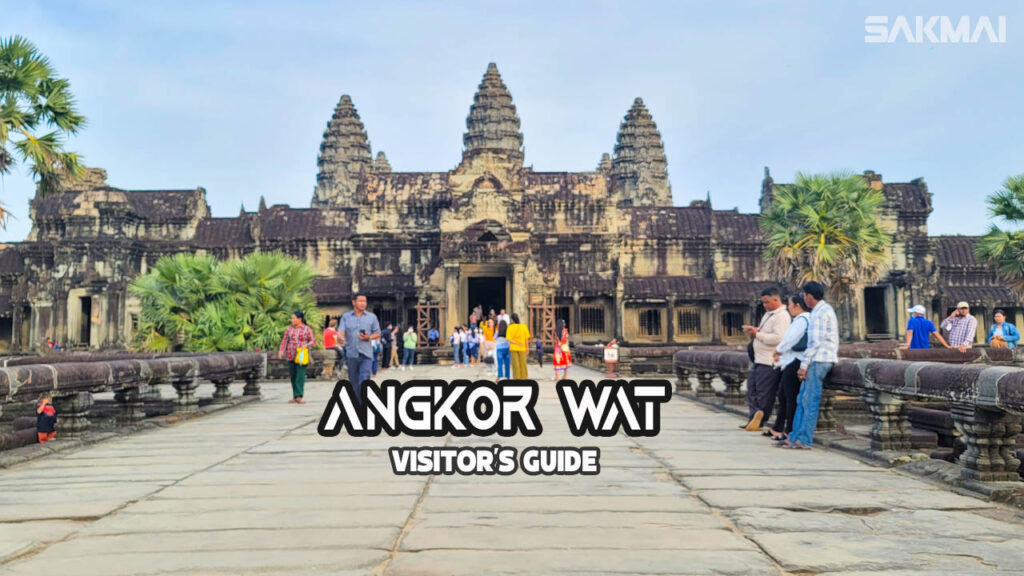
While there are over 70 temples in the park, first-timers should focus on these three to avoid “temple fatigue.”
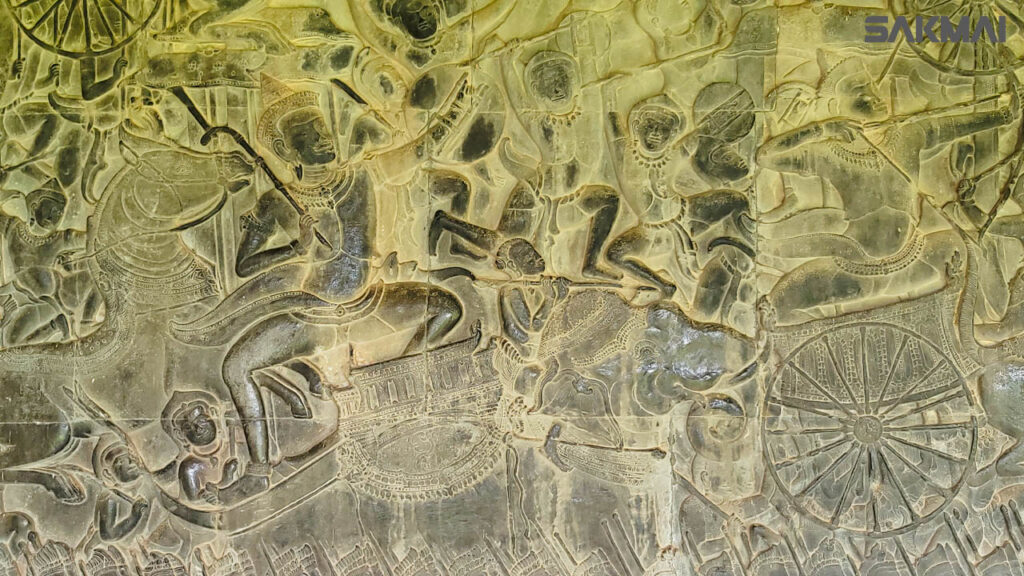
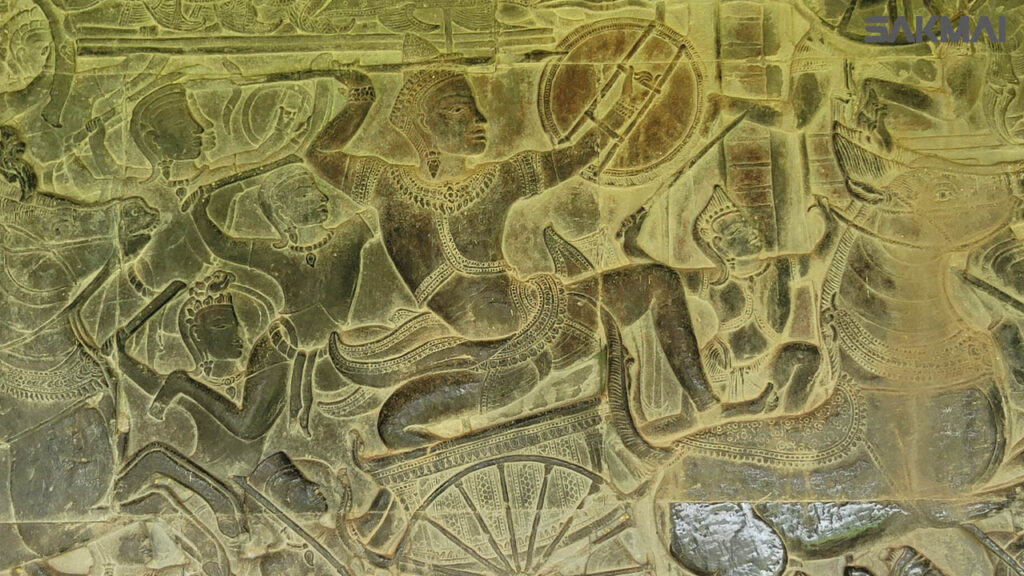
- Angkor Wat: The largest religious monument in the world. Its scale is genuinely mind-boggling. Don’t skip the Bas-reliefs on the outer walls; they tell 900-year-old stories of heaven, hell, and war.
- Bayon (Angkor Thom): Famous for the 216 massive stone faces. It feels more intimate and “eerie” than Angkor Wat.
- Ta Prohm (The Tomb Raider Temple): Nature is winning here. Giant silk-cotton trees grow directly out of the stone. This is the most “adventurous” feeling temple in the circuit.
The Pros: Why It’s Truly Worth It
- Architectural Mastery: Even the most cynical traveler will be impressed. The math and engineering used in the 12th century rival modern construction.
- Cultural Depth: This isn’t just a ruin; it’s the soul of Cambodia. Seeing saffron-robed monks praying among the stones is a profound experience.
- Photo Opportunities: Even with a smartphone, the lighting in the “Small Circuit” is a dream for any photographer.
The Cons: Why You Might Hate It
- The Heat: By 11:00 AM, the humidity can be punishing. You will be drenched in sweat.
- The “Touts”: In 2026, sellers near the temples can be persistent. A polite but firm “No, thank you” is required.
- The Physical Demand: You will easily walk 10km–15km in a single day, often climbing steep, uneven stone stairs.

Verdict: Worth It or Not?
YES, it is absolutely worth it. Despite the crowds and the $37 entry fee, there is simply nowhere else on Earth like Angkor. However, it is only “worth it” if you hire a guide. Without a guide, you are just looking at a pile of old rocks. With a guide, you are walking through a living history book.
Survival Tips for First-Timers
- Dress Code: Shoulders and knees must be covered. A scarf over a tank top is often rejected by security.
- FPCS Check: If you are staying more than a few days, ensure your hotel has registered you in the FPCS app—you may need it for certain administrative tasks in 2026.
- Hydration: Drink double the water you think you need. Most tuk-tuk drivers provide free cold water—take it!
To complete your Angkor Wat Honest Guide, here are 5 frequently asked questions that first-time visitors in 2026 always ask. These are designed to provide quick, high-value answers for your Sakmai.com readers.
Frequently Asked Questions: Angkor Wat 2026
1. Can I buy my Angkor Pass online, or do I have to go to the ticket center? As of 2026, you can skip the morning ticket lines by purchasing your pass through the official Angkor Enterprise website or mobile app. This allows you to have a digital QR code on your phone. However, if you prefer a physical souvenir ticket with your photo on it, the Main Ticket Center (Road 60) is still the only place to get one.
Note: Passes purchased from unofficial third-party websites are invalid.
2. Is the “Bakan” (Central Tower) always open to visitors? No. The highest level of Angkor Wat, known as the Bakan Sanctuary, is closed to all visitors on Buddhist Holy Days (which occur roughly four times a month based on the lunar calendar). If your main goal is to climb to the very top for the view, check the local lunar calendar or ask your hotel before booking your tour date.
3. What is the strict dress code for the temples? The dress code is a matter of respect and is strictly enforced by park rangers. Both men and women must cover their shoulders and knees.
- Allowed: T-shirts with sleeves, long pants, or skirts that go below the knee.
- Not Allowed: Tank tops, sleeveless shirts, short shorts, or mini-skirts.
- Important: In 2026, using a scarf or sarong to “cover up” over a tank top is often not permitted for entry into the inner sanctuaries. You must be wearing the correct clothing from the start.
4. Are there age restrictions for certain parts of the temple? Children under 12 years old are generally not permitted to climb the steep stairs to the upper levels (Bakan Sanctuary) of Angkor Wat or the summit of Phnom Bakheng for safety reasons. However, entry to the ground levels of all temples is free for children under 12 (bring a passport copy as proof of age).
5. Is it safe to visit Angkor Wat alone, and do I need a guide? Siem Reap and the Angkor Park are very safe for solo travelers. However, while you can explore alone, hiring a licensed guide is highly recommended. Without one, you will miss the intricate stories behind the carvings and the historical context of why the temples were built.
- Tip: Only hire guides in yellow/beige uniforms with official ID badges. Avoid “freelance” guides who approach you at temple entrances without proper credentials.